Neurodiagnostic Technologists: Career Profile
Conduct electroneurodiagnostic (END) tests such as electroencephalograms, evoked potentials, polysomnograms, or electronystagmograms. May perform nerve conduction studies.
Featured schools near , edit
What Do Neurodiagnostic Technologists Perform?
Typical responsibilities of neurodiagnostic technologists cover:
- Indicate artifacts or interferences derived from sources outside of the brain, such as poor electrode contact or patient movement, on electroneurodiagnostic recordings.
- Monitor patients during tests or surgeries, using electroencephalographs (EEG), evoked potential (EP) instruments, or video recording equipment.
- Conduct tests or studies such as electroencephalography (EEG), polysomnography (PSG), nerve conduction studies (NCS), electromyography (EMG), and intraoperative monitoring (IOM).
- Collect patients' medical information needed to customize tests.
- Explain testing procedures to patients, answering questions or reassuring patients, as needed.
- Set up, program, or record montages or electrical combinations when testing peripheral nerve, spinal cord, subcortical, or cortical responses.
- Summarize technical data to assist physicians to diagnose brain, sleep, or nervous system disorders.
- Conduct tests to determine cerebral death, the absence of brain activity, or the probability of recovery from a coma.
Skills and Knowledge
Successful neurodiagnostic technologists draw on a mix of skills and domain knowledge.
Most Important Skills
The competencies that matter most in this role, rated on an importance scale of 0 to 5:
Core Knowledge
Related Job Titles
People in this occupation may also be known by titles such as:
- Cardiovascular Operating Room Technologist (CVOR Technologist)
- Certified Intraoperative Neurophysiology Technologist (Certified Intraoperative Neurophysiology Tech)
- Certified Neurodiagnostic Technologist
- EEG Tech (Electroencephalogram Technician)
- EEG Technologist (Electroencephalograph Technologist)
- EP Technologist (Electrophysiology Technologist)
- Electroencephalogram Technologist (EEG Technologist)
- Electroencephalograph Technician (EEG Tech)
How Many Neurodiagnostic Technologists Are There?
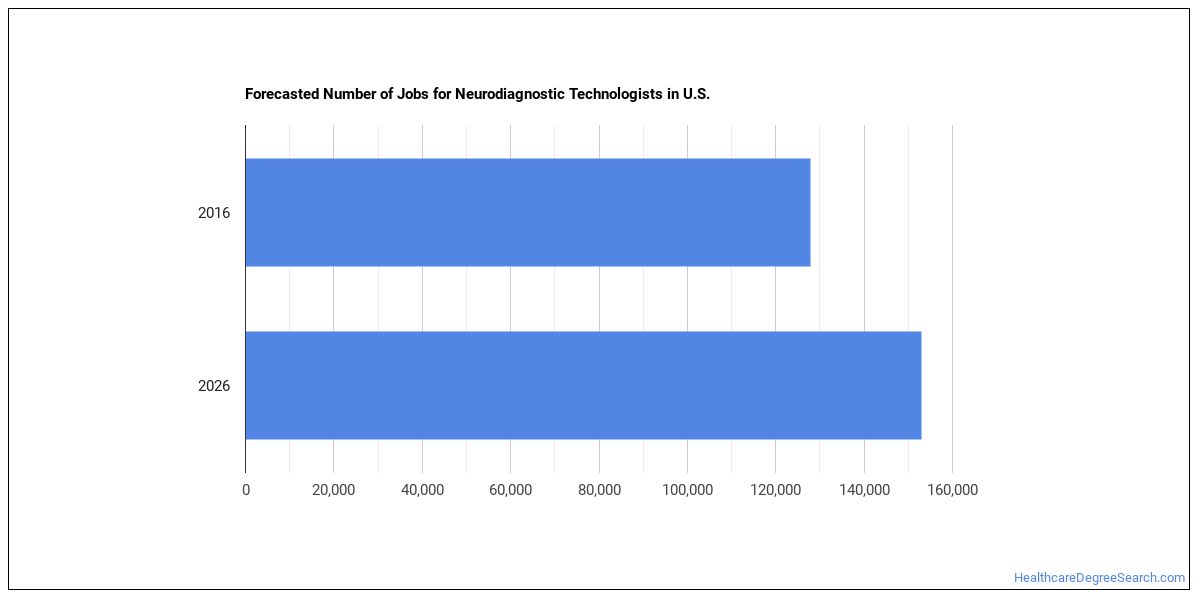
The U.S. employs around 1,623,874 neurodiagnostic technologists working in the United States today. This occupation is expected to grow by +14.1% over the projection horizon.
How Much Do Neurodiagnostic Technologists Make?
| Statistic | Value |
|---|---|
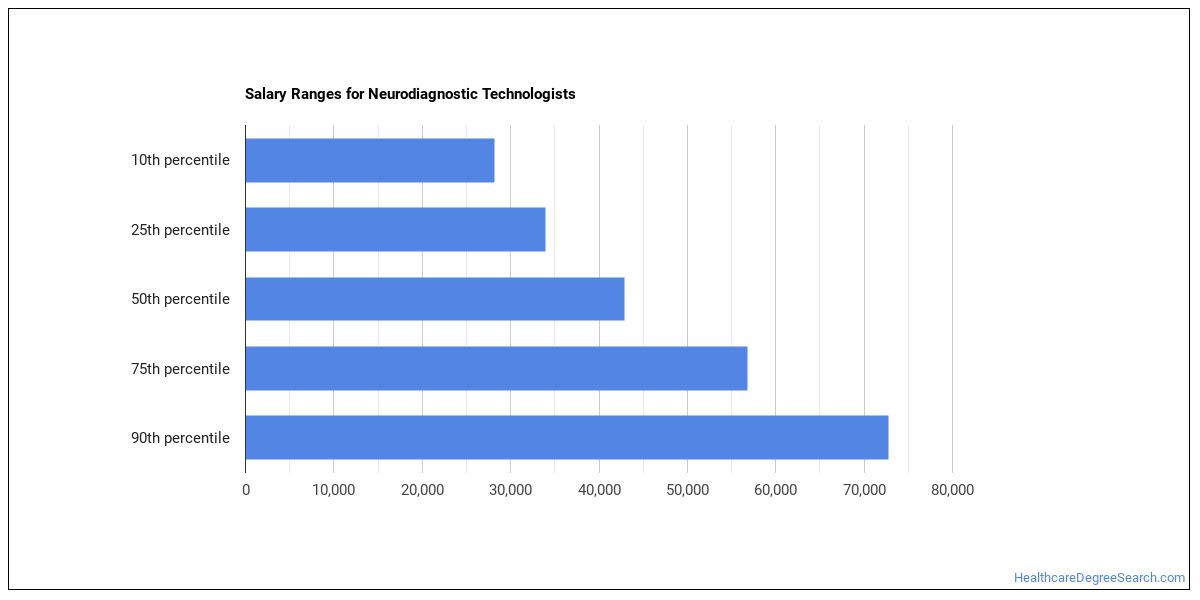
| Annual median | $81,316 |
| Hourly median | $39.09 |
| 10th percentile | $52,871 |
| 25th percentile | $67,093 |
| 75th percentile | $95,538 |
| 90th percentile | $109,761 |
Pay can vary substantially based on experience, location, and industry.
Neurodiagnostic Technologists Salary by State
| State | Annual median salary |
|---|---|
| Wyoming | $65,560 |
| Delaware | $64,860 |
| Washington | $59,960 |
| Kansas | $59,780 |
| Maine | $58,820 |
| California | $58,310 |
| Oregon | $58,240 |
| Massachusetts | $58,210 |
| New York | $57,690 |
| Hawaii | $56,260 |
| New Jersey | $56,100 |
| Rhode Island | $55,840 |
| New Hampshire | $55,350 |
| Arizona | $55,200 |
| Minnesota | $55,070 |
| Colorado | $54,080 |
| Montana | $53,450 |
| District of Columbia | $53,020 |
| Vermont | $52,470 |
| South Dakota | $51,460 |
| Georgia | $51,020 |
| Alaska | $49,900 |
| Kentucky | $49,900 |
| Illinois | $49,570 |
| Wisconsin | $49,370 |
| Nevada | $49,270 |
| Connecticut | $49,120 |
| West Virginia | $49,000 |
| Virginia | $48,380 |
| Michigan | $47,550 |
| Texas | $47,410 |
| Indiana | $47,300 |
| Idaho | $47,130 |
| Tennessee | $47,000 |
| Ohio | $46,730 |
| Maryland | $46,550 |
| New Mexico | $46,440 |
| North Dakota | $46,020 |
| Iowa | $46,010 |
| Pennsylvania | $45,700 |
| North Carolina | $45,100 |
| Nebraska | $44,480 |
| Utah | $44,360 |
| Florida | $43,980 |
| Alabama | $43,370 |
| Missouri | $41,860 |
| Oklahoma | $41,080 |
| South Carolina | $40,420 |
| Arkansas | $39,260 |
| Mississippi | $38,290 |
| Louisiana | $37,630 |
| Puerto Rico | $36,400 |
Where Neurodiagnostic Technologists Earn the Most
Compensation for neurodiagnostic technologists vary by region. Top regions by median wage:
| Region | Median annual wage | Share of U.S. jobs | Location quotient |
|---|---|---|---|
| Far Western US | $57,645 | 19.4% | 1.21 |
| New England | $56,248 | 4.2% | 0.93 |
| Middle Atlantic | $52,050 | 15.6% | 1.12 |
| Rocky Mountains | $50,355 | 2.9% | 0.76 |
| Great Lakes | $47,965 | 14.9% | 1.12 |
| Southwest | $47,761 | 11.8% | 0.94 |
| Plains States | $46,192 | 7.1% | 1.28 |
| Southeast | $44,657 | 23.6% | 1.07 |
Top Metro Areas
| Metro area | State | Median annual wage | Employment |
|---|---|---|---|
| San Jose-Sunnyvale-Santa Clara, CA | CA | $74,600 | 1,330 |
| Topeka, KS | KS | $71,680 | 50 |
| San Francisco-Oakland-Fremont, CA | CA | $70,850 | 2,990 |
| Bellingham, WA | WA | $69,340 | 90 |
| Flagstaff, AZ | AZ | $66,800 | 60 |
| Albany, OR | OR | $66,300 | 40 |
| Vallejo, CA | CA | $64,910 | 240 |
| Lexington-Fayette, KY | KY | $64,530 | 570 |
Industry Breakdown
Most neurodiagnostic technologists work in these industries:
| Industry | Employment | Median annual wage |
|---|---|---|
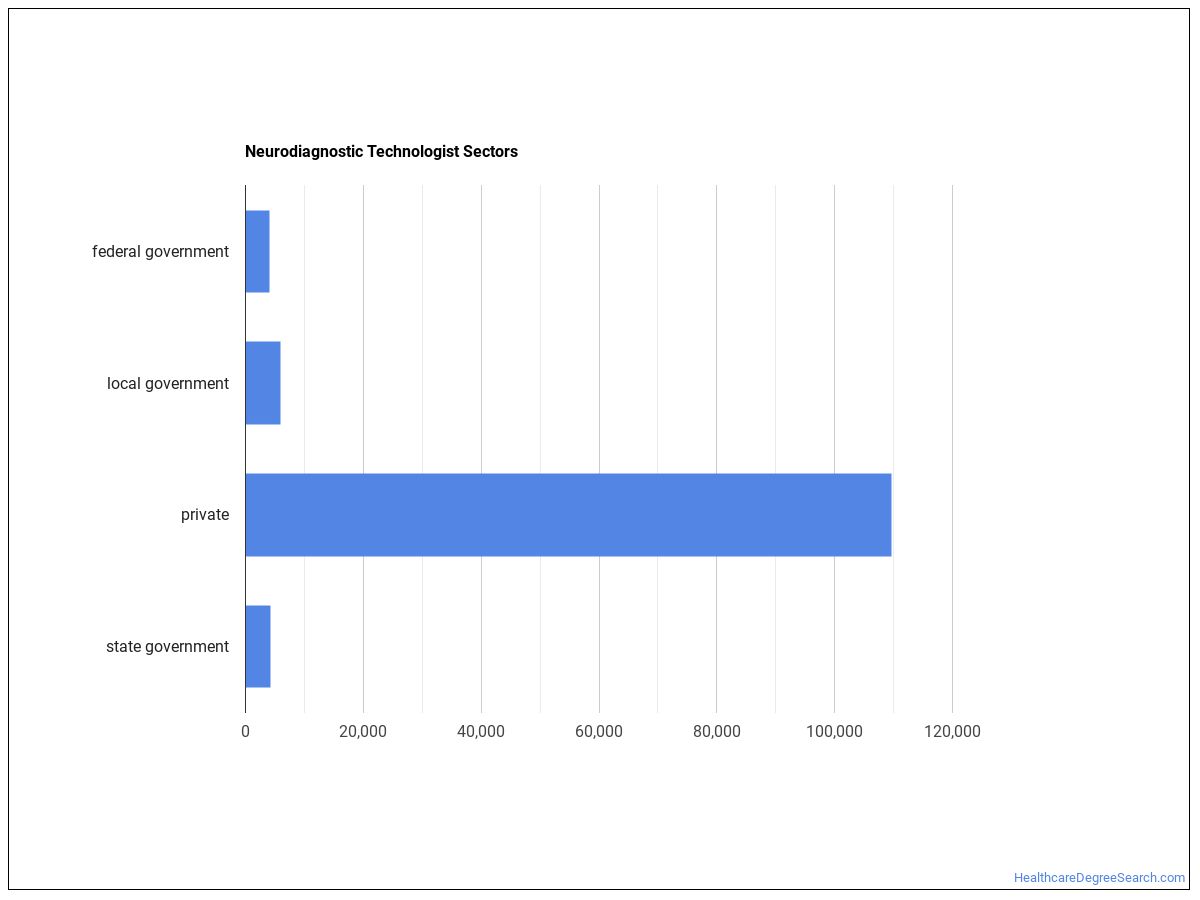
| Health Care and Social Assistance | 155,430 | $48,230 |
| Educational Services | 3,190 | $61,290 |
| Administrative and Support and Waste Management and Remediation Services | 3,170 | $51,750 |
| Management of Companies and Enterprises | 1,670 | $49,320 |
| Finance and Insurance | 1,340 | $53,250 |
| Professional, Scientific, and Technical Services | 1,310 | $62,190 |
| Retail Trade | 900 | $47,610 |
| Wholesale Trade | 880 | $58,760 |
Neurodiagnostic Technologists work in the following industries:

Tech Stack
- Web platform development software: JavaScript (hot technology)
- Medical software: MEDITECH software (hot technology)
- Spreadsheet software: Microsoft Excel (hot technology)
- Office suite software: Microsoft Office software (hot technology)
- Presentation software: Microsoft PowerPoint (hot technology)
- Operating system software: Microsoft Windows (hot technology)
- Word processing software: Microsoft Word (hot technology)
- Object or component oriented development software: R (hot technology)
The Day-to-Day Environment
The work environment for neurodiagnostic technologists tends to involve the following characteristics:
- Indoors, Environmentally Controlled
- Face-to-Face Discussions with Individuals and Within Teams
- Importance of Being Exact or Accurate
- Contact With Others
Education and Training
Typical neurodiagnostic technologists positions require an associate’s degree as the typical entry-level education. This career aligns with Medium Preparation Needed (Job Zone 3), indicating the level of preparation typically expected.
Related Careers
Similar Occupations
- Anesthesiologist Assistants (Supplemental)
- Radiation Therapists (Primary-Long)
- Respiratory Therapists (Supplemental)
- Acute Care Nurses (Supplemental)
- Anesthesiologists (Supplemental)
- Cardiologists (Supplemental)
- Radiologists (Supplemental)
- Medical and Clinical Laboratory Technologists (Primary-Short)
Degree Programs
Aspiring neurodiagnostic technologists typically earn programs in:
Health Professions and Related Programs
14 programs across 3 majors
About the Data
This profile draws on the following authoritative sources:
- U.S. Bureau of Labor Statistics — Occupational Employment and Wage Statistics (OEWS) for employment and wage data by state and industry.
- BLS Employment Projections for total employment and growth forecasts.
- O*NET (Occupational Information Network) for skills, knowledge, tasks, work activities, work context, technology, and education-zone data.
SOC code: 29-2099.01 (Health Technologists and Technicians, All Other).

HealthcareDegreeSearch.com provides higher-education, college and university, degree, program, career, salary, and other helpful information to students, faculty, institutions, and other internet audiences. Presented information and data are subject to change. Inclusion on this website does not imply or represent a direct relationship with the company, school, or brand. Information, though believed correct at time of publication, may not be correct, and no warranty is provided. Contact the schools to verify any information before relying on it. Financial aid may be available for those who qualify. The displayed options may include sponsored or recommended results, not necessarily based on your preferences.
© HealthcareDegreeSearch.com – All Rights Reserved.